This post was sponsored by Biostime Kids Fruity Bites. All opinions are my own.
Feeding kids can be tricky to say the least – as a registered dietitian and mom of 3, I am always trying to crack the code on how to get in all nutrition while providing foods my kids will actually want to eat. I am a believer in using a combination of both food and dietary supplements to optimize nutrient intake but know that many parents struggle finding products to best fit their children’s needs. There are some simple (and yummy) steps you can take starting today. Here are my top 5 practical ways to support kids’ nutrition.
#1 Get Kids Involved
From planning to shopping to cooking – if they have some ownership, they will be more inclined and excited for healthy meals. It might to lead to a slightly larger mess in the kitchen from time to time, but they can help with the clean up too! I suggest planning out a meal planning roadmap – a framework for the week ahead. Let the kids help fill in the blanks by choosing a meal or 2 or selecting a star ingredient to include. Visit a farmstand or a local farmers’ market, plant a garden (or even a basil plant!) – the more kids understand about food and where it comes from, the more interested they will be in eating it.
#2 Support Gut Health
From yogurt and sourdough to fiber-filled fruits and veggies and safe supplements, pre and probiotics are essential for optimal nutrient absorption and overall wellness. Finding consistent ways to get in these essential nutrients impacts health in a variety of ways. A healthy microbiome impacts not only digestion and nutrient absorption, but immune health and protection against chronic illnesses.
#3 Bring the Color
There’s no such thing as a bad fruit or vegetable – take advantage of fresh, frozen, canned and dried to get more servings in. Yes, salads are an option, but smoothies, pasta dishes, soups and even baked goods spiked with fruits and veg can all help boost intake.
Recipes to try:
Pumpkin Chocolate Chip Muffins
Crazy Good Bean Salad
Smoothie and Smoothie Bowl Recipes
One-Pot Lemony Pasta
Easy Soup Recipes
#4 Prioritize All Types of Protein
Serve up a variety of both plant and animal protein. The texture of foods is a big deal for kids and can impact what they choose – and there is no disputing how important protein rich foods are for growth and development. Choose lean meats and fish as well as lentils, beans and tofu to expand the fam’s repertoire.
#5 A Good Supplement
Biostime Kids Fruity Bites are premium nutritious and delicious gummies with no added sugar, no sugar alcohols, no artificial colors, flavors, or sweeteners. They are gluten-free and free from top 8 allergens. Available in four varieties for kids 4 and up – and they all contain high quality, clinically tested probiotics and prebiotic fiber to maintain gut health. Choose the best formula for your kids.
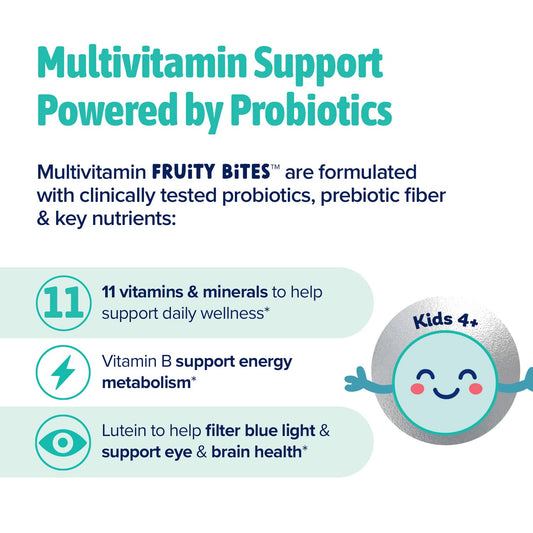
Packed with 11 essential vitamins and minerals, including A, C, D3, and B-vitamins to support growth and development plus lutein for eye and brain health*.
Enriched with a powerful blend of vitamin C, vitamin D3, zinc and elderberry extract to support children’s immune health.*
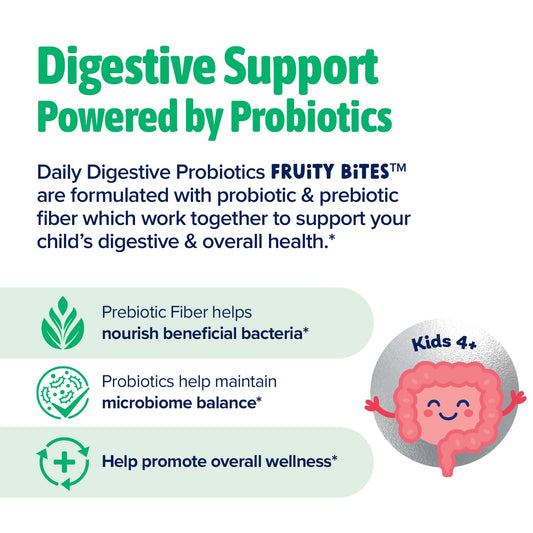
Packed with a powerful blend of 2 billion CFUs of high quality clinically tested probiotics, plus prebiotic fiber to help maintain gut balance and overall wellness*, especially helpful for children with low fiber intake.
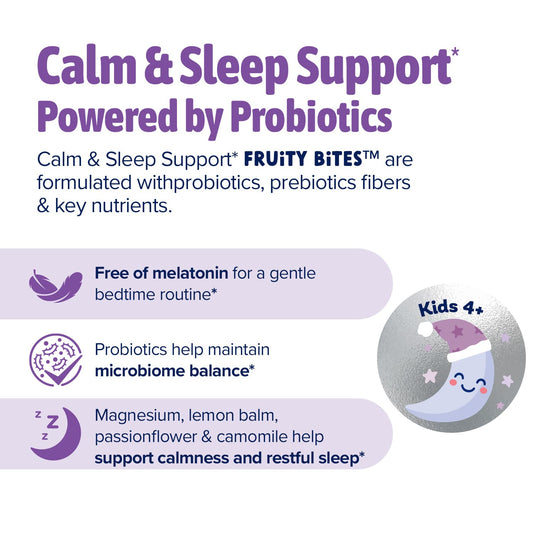
These sleep gummies are melatonin-free and non-habit forming. They’re specially crafted with chamomile and magnesium, plus lemon balm, passionflower and L-tryptophan to promote relaxation and sleep*.
Learn more about Fruit Bites from this recent segment on Great Day Connecticut.
To try Fruity Bites for yourself head to Amazon or Biostime.us
*These statements have not been evaluated by the Food and Drug Administration. This product is not intended to diagnose, treat, cure or prevent any disease.
1 8 top allergens include milk, eggs, fish, crustacean shellfish, peanuts, wheat, soy and sesame.